
Category: Blog

  • The Role of a Public Relations Agency in Crisis Management

    If you’ve ever woken up to a flood of negative reviews, a damaging news headline, or a trending hashtag that mentions your company for all the wrong reasons, then you already understand why crisis communication isn’t optional. When reputation is on the line, having a trusted public relations agency in your corner is the difference between recovery and reputational freefall. At Otter PR, we’re no strangers to high-stakes situations, and we know how to act fast and smart.

    Crisis management isn’t just about putting out fires. It’s about anticipating them, preparing in advance, and knowing exactly how to respond when the heat turns up. Our publicists have handled crises for tech startups, healthcare professionals, law firms, and national brands—each with its nuances, legal considerations, and media challenges.

    A seasoned publicist doesn’t panic. We assess the damage, coordinate with legal teams if needed, and craft messaging that controls the narrative. The goal isn’t to hide from the media—it’s to steer the conversation toward clarity, accountability, and resolution. Whether it’s a product recall, social media backlash, or an internal issue that goes public, Otter PR ensures that your response feels human, professional, and timely.

    What’s even more important is preparation. We work with our clients proactively to create crisis communication playbooks, media response templates, and social monitoring systems that catch issues before they snowball. That’s how you stay ahead of a viral rumor or a one-star Yelp review that suddenly gains traction.

    If your organization is based in Miami, New York City, or Los Angeles, where media exposure can snowball quickly, having Otter PR on call is a smart move. Our publicists know the media landscape inside and out, and we act fast—because in a crisis, every second counts.

    Being a high-profile figure in tech, law, or real estate comes with risk. One misstep, one misunderstanding, and suddenly your reputation is under fire. A professional public relations agency like Otter PR doesn’t just clean up the mess—we help prevent it, minimize it, and rebuild trust faster than you thought possible.

    If you don’t have a crisis plan in place, now’s the time. Book a strategy call with our team today. Don’t wait for a disaster to find out how much your reputation is worth.

    This post was written by a professional at Otter Public Relations. Otter Public Relations is the fastest-growing tech public relations agency Tampa Bay Area and its growing team of 35+ publicists and media partners focus on getting your story told in the local and national media. Let Otter PR support your business in; Media relations, Crisis Communications, and Reputation Management.
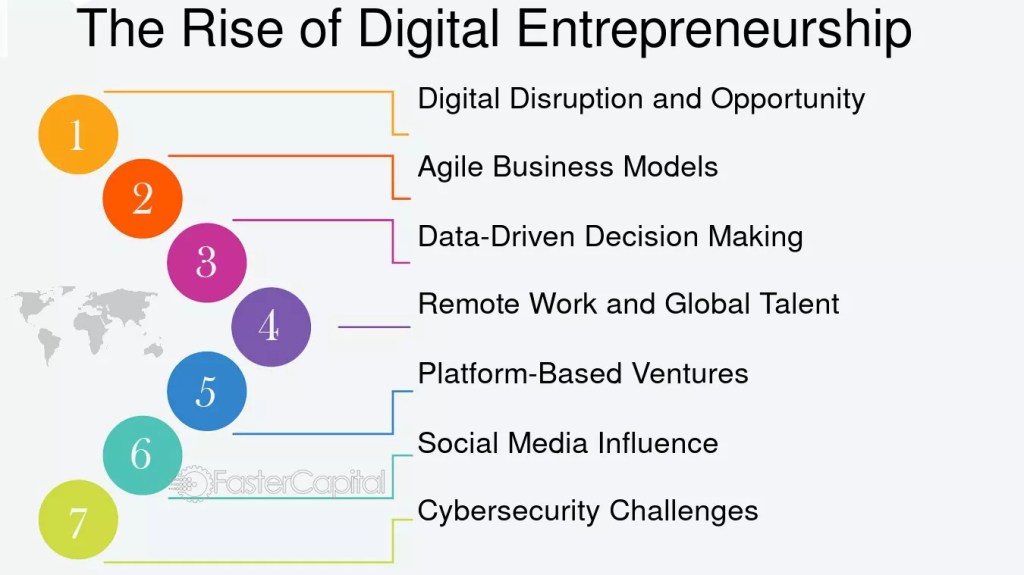

  • The Rise of Tech-First Entrepreneurship

    The Rise of Tech-First Entrepreneurship

    In the past, being “tech-savvy” was a nice-to-have. In 2025, it’s the difference between thriving and fading out. Whether you’re launching a clothing brand or a consulting firm, every founder today must think—and build—like a tech-first entrepreneur.

    Why? Because technology isn’t just changing how we do businessvit’s reshaping what business looks like altogether.

    What Is Tech-First Entrepreneurship?

    Tech-first entrepreneurship means leveraging technology as the foundation of your business strategy, not just a tool for support.

    Instead of asking “What product should I sell?” forward-thinking founders ask:

    • “How can I solve this problem with technology?”
    • “What can be automated, digitized, or scaled faster through tech?”
    • “How do I build a system, not just a service?”

    This mindset gives founders a digital edge and in 2025, that edge is everything.

    Why Every Founder Needs a Digital Edge

    Here’s why tech-first thinking is now non-negotiable:

    1. Customers Expect It

    Modern customers demand:

    • Instant support (chatbots, AI assistants)
    • Seamless experiences (mobile, web, app)
    • Personalization (smart recommendations, adaptive pricing)

    If you’re not meeting them where they are—fast, digital, mobile-first—you’re already behind.

    2. It Scales Faster and Smarter

    Traditional businesses scale linearly. Tech-first startups scale exponentially. Why?

    • Cloud-based tools
    • Automation platforms
    • AI-driven decision-making

    With the right stack, a 3-person team can operate like a 30-person company.

    3. It Attracts Investors and Talent

    Investors want scalable, tech-enabled models.
    Top talent wants to work with tools that don’t feel 10 years behind.
    Tech-first businesses signal serious growth potential.

    4. It Future-Proofs Your Startup

    The next disruption is always around the corner. Founders who understand tech can pivot, adapt, and thrive. Those who don’t? They get left behind.

    “If you’re not digitally fluent as a founder, you’re at risk of becoming irrelevant—even if your product is great.

    🧰 Core Tech Every Modern Founder Should Embrace

    CategoryTools & Platforms
    No-Code BuildersWebflow, Bubble, Softr
    AutomationZapier, Make, Pabbly
    AIChatGPT, Claude, Jasper, Perplexity
    AnalyticsGoogle Analytics 4, Mixpanel, Hotjar
    CRMHubSpot, Pipedrive, Zoho
    E-CommerceShopify, Stripe, WooCommerce
    Project ManagementNotion, Trello, ClickUp
    Marketing TechBrevo, Mailchimp, Buffer, Hootsuite

    You don’t have to master them all but knowing which ones matter is key.

    Mindset Shift: From Operator to Architect

    Tech-first entrepreneurs think differently:

    • They build systems, not just businesses.
    • They delegate to software, not just people.
    • They embrace data, automation, and digital-first design.

    Even a non-technical founder can become tech-first by understanding:

    • What’s possible
    • What’s scalable
    • What’s worth automating

    Real-World Example

    Old-School Approach:
    A local bakery hires more staff to take orders.

    Tech-First Approach:
    A digital bakery launches an app for pre-orders, uses Stripe for payments, Zapier for order tracking, and sends AI-written thank-you emails automatically.

    Same product. Different mindset. Very different growth curve.

    Final Thought: Be the Founder of the Future

    The next wave of breakout businesses won’t come from those who just “go digital” they’ll come from founders who start digital.

    If you want to scale faster, reach farther, and build smarter, it’s time to stop thinking like a traditional founder…

    …and start thinking like a tech-first entrepreneur.

  • The Automation Tools Every Startup Needs

    The Automation Tools Every Startup Needs

    Startups live and die by how fast they can move—and how lean they can stay. In 2025, the smartest founders aren’t working harder, they’re working automated.

    Whether you’re a team of ten or a solo founder wearing five hats, automation tools can give you back your time, reduce burnout, and accelerate growth without bloating your budget.

    Here’s a breakdown of the essential automation tools every startup should consider and how to use them to run smoother, smarter, and faster.

    Why Automation Is a Game-Changer for Startups

    Startups face constant pressure to:

    • Do more with less
    • Scale quickly without scaling costs
    • Deliver a polished customer experience
    • Make fast, data-driven decisions

    That’s where automation comes in. It eliminates repetitive tasks, cuts down on human error, and frees up time for what matters most: strategy, creativity, and growth.

    10 Automation Tools Every Startup Should Know

    1. Zapier – Automate Everything

    Best for: Connecting your favorite apps
    Create “Zaps” to automate actions between tools like Gmail, Slack, Google Sheets, Trello, and more.

    Example: Automatically send form responses to your CRM or Slack.

    2. HubSpot – CRM + Marketing Automation

    Best for: Managing leads and email marketing
    Automate email sequences, lead scoring, follow-ups, and track user behavior all in one place.

    Bonus: It’s free to start and scales as you grow.

    3. Notion + Notion AI – Internal Automation Hub

    Best for: Productivity and knowledge management
    Use AI to summarize meeting notes, auto-generate tasks, or even draft documents—then connect them to your systems.

    4. Tally or Typeform – Smart Forms and Workflows

    Best for: Surveys, onboarding, and lead generation
    Create forms that trigger automations—like sending a welcome email or tagging leads in your CRM.

    5. Make (formerly Integromat) – Advanced Automation

    Best for: Complex workflows with logic
    Unlike Zapier, Make allows for visual workflow building and more advanced conditional logic.

    6. Mailchimp or Brevo (formerly Sendinblue) – Email Campaigns

    Best for: Email automation and drip campaigns
    Nurture leads, welcome new users, and retarget inactive ones without lifting a finger.

    7. Calendly – Appointment Scheduling

    Best for: Booking calls or demos
    Automate scheduling, reminders, and follow-ups. No back-and-forth emails.

    8. Stripe + Paddle – Payment & Subscription Automation

    Best for: Monetizing SaaS or digital products
    Automate recurring payments, invoicing, and tax compliance with ease.

    9. Hootsuite or Buffer – Social Media Automation

    Best for: Content scheduling and analytics
    Plan a month’s worth of posts in an hour and let it run on autopilot.

    10. ChatGPT + Custom GPTs – Content & Customer Support

    Best for: Writing, brainstorming, or answering FAQs
    Create custom GPTs to automate knowledge-sharing or generate marketing copy at scale.

    Where to Start with Automation (Without Overwhelm)

    1. Identify your time sinks
      What tasks do you repeat daily or weekly? Start there.
    2. Automate one workflow at a time
      Small wins = fast momentum. Don’t try to automate everything at once.
    3. Pick no-code tools
      Avoid tools that need developers unless you’re ready to build in-house.
    4. Set it, but don’t forget it
      Check your automations monthly to avoid errors or outdated processes.

    Bonus: Areas Every Startup Should Automate

    AreaExamples
    MarketingEmail sequences, ad reporting, social media
    SalesLead capture, CRM updates, follow-ups
    OperationsInvoicing, scheduling, onboarding
    SupportFAQ bots, ticket routing, live chat
    FinancePayment processing, bookkeeping, expense tracking

    Final Thought: Automate to Accelerate

    In 2025, automation isn’t a luxury—it’s a necessity. The most agile startups are the ones who automate smart, scale lean, and focus on growth.

    Don’t think of automation as replacing people—think of it as removing the busywork, so you and your team can stay focused on building what really matters.

    Because when your startup runs like a machine, you’re free to move like a rocket.

  • Making: How Smart Data Is Reshaping Business in 2025

    Making: How Smart Data Is Reshaping Business in 2025

    In 2025, business isn’t just fast-paced it’s data-powered. Artificial Intelligence (AI) has moved beyond being a buzzword and is now at the heart of smart decision-making. Whether you’re a startup founder, small business owner, or leading an enterprise team, AI-driven insights are becoming essential tools for competitive advantage.

    This isn’t just the future it’s happening right now. And it’s reshaping how businesses think, act, and grow.

    What Is AI-Driven Decision Making?

    AI-driven decision making is the use of artificial intelligence and machine learning algorithms to:

    • Analyze large sets of data
    • Identify patterns and trends
    • Make predictions or recommendations
    • Support human decisions—or even automate them

    It replaces gut feelings and manual analysis with evidence-based insights, delivered in real time.

    Why Smart Data Matters in 2025

    Businesses today are drowning in data but starving for insight. AI helps translate raw numbers into actionable intelligence, helping leaders:

    • Predict customer behavior
    • Optimize pricing and marketing
    • Streamline operations
    • Reduce risk and prevent costly errors

    The smartest decisions are no longer made in boardrooms—they’re made by algorithms trained on billions of data points

    Real Applications Across Industries

    Retail & E-commerce

    • Personalized product recommendations
    • Dynamic pricing strategies
    • Inventory forecasting using historical and real-time data

    Finance

    • Fraud detection in real time
    • Predictive analytics for investment strategies
    • Credit risk scoring powered by machine learning

    Healthcare

    • AI-assisted diagnostics
    • Operational efficiency in hospital systems
    • Patient outcome predictions

    SaaS & Tech

    • Churn prediction models
    • User behavior analysis to refine UX/UI
    • Smart customer segmentation for targeted marketing

    Benefits of AI-Driven Decisions

    1. Speed – AI processes in seconds what would take analysts days
    2. Accuracy – Fewer errors, more precision
    3. Scalability – Can handle growth without growing your headcount
    4. Predictive Power – Not just reacting to the present, but preparing for the future

    In 2025, businesses that don’t use AI are already falling behind.

    Tools Making It Happen

    Some of the top AI platforms transforming business decisions:

    • ChatGPT & Claude for business research, strategy, and content
    • Tableau + Einstein AI for advanced data visualization and forecasting
    • Hugging Face & OpenAI APIs for custom models and automation
    • Looker for embedded business intelligence
    • Zapier + AI integrations to automate repetitive workflows

    How to Implement AI-Driven Decision Making

    1. Start with a Clear Goal
      What business challenge do you want to solve—churn, customer support, logistics?
    2. Gather Clean Data
      AI is only as good as the data it trains on. Organize and label it well.
    3. Choose the Right Tools
      Use out-of-the-box platforms or custom-build your own models.
    4. Pilot, Measure, Scale
      Test AI in one department. Measure outcomes. Scale where it works best.
    5. Train Your Team
      Empower employees to understand and use AI—not fear it.

    Challenges to Watch Out For

    • Data privacy & ethics
    • Bias in AI models
    • Overreliance on automation
    • Skills gap in teams

    AI doesn’t replace people—it empowers them to make better decisions, faster.

    Final Thought: Smart Data Builds Smart Businesses

    2025 marks a turning point in how businesses grow not just with more data, but with smarter decisions powered by AI.

    If you’re still making key decisions without it, you’re not just behind you’re vulnerable.

    Now is the time to adopt AI not as a shiny add-on, but as a core part of your business strategy.

    Because the businesses that think smarter, move faster, and act with precision will define the next decade.

Create your own website, free on WordPress.com.Create your own website.
Start free