Author: ellisellisrowe9

  • Modern Solutions Powering Business Success in a Digital-First World

    Modern Solutions Powering Business Success in a Digital-First World

    In today’s fast-moving digital landscape, businesses must adapt quickly to remain competitive and relevant. Technology is no longer just a support function; it plays a central role in shaping strategy, operations, and customer experience.

    Modern solutions allow organizations to streamline processes, gain deeper insights, and respond to market changes with confidence. From smarter data management to intelligent automation, companies now have tools that were unimaginable just a decade ago. These innovations help reduce manual workloads while improving accuracy and efficiency.

    As digital transformation continues to accelerate, embracing the right solutions becomes essential for long-term growth. Below are some of the most impactful modern systems powering business success today.

    Strengthening Data Accuracy with a Master Data Management System

    A master data management system helps organizations create a single, reliable source of truth for their most critical data. When customer, product, and supplier information is scattered across multiple platforms, inconsistencies can quickly arise. By consolidating and standardizing data, businesses can reduce errors and improve overall decision-making. This unified approach also supports compliance efforts and enhances reporting accuracy.

    Solutions like Tamr use advanced techniques to help identify duplicate records and connect related data across systems while managing multi-domain datasets. With cleaner and more organized data, teams can collaborate more effectively and trust the information they use every day. Ultimately, strong data governance builds a foundation that supports scalable growth and smarter business strategies.

    Accelerating Efficiency Through AI Automation

    AI automation is transforming the way businesses handle repetitive and time-consuming tasks. Instead of relying solely on manual processes, companies can now use intelligent systems to analyze data, generate insights, and complete routine workflows. This not only increases speed but also reduces the risk of human error.

    Infestus AI is one example of how automation tools can assist organizations in optimizing operations without disrupting existing structures. By integrating AI into customer service, marketing, finance, and operations, businesses can free up employees to focus on higher-value activities. Automation also enables faster responses to customer inquiries and changing market conditions. As a result, companies gain both operational efficiency and a stronger competitive edge.

    Enhancing Collaboration with Cloud-Based Platforms

    Cloud-based platforms have revolutionized how teams communicate and work together. Employees can access documents, applications, and systems from virtually anywhere, supporting remote and hybrid work environments. This flexibility improves productivity while reducing the need for costly on-premise infrastructure. Real-time collaboration tools make it easier for teams to share updates, track progress, and manage projects efficiently.

    Cloud systems also offer scalable resources, allowing businesses to expand without significant upfront investment. Security features and automatic updates ensure that data remains protected and systems stay current. By embracing cloud technology, organizations can stay agile and responsive in a constantly evolving digital world.

    Strengthening Customer Engagement with Digital Experience Solutions

    Digital experience solutions help businesses create meaningful and consistent interactions across every customer touchpoint. Today’s customers expect seamless communication whether they are browsing a website, using a mobile app, or contacting support. By integrating customer data across platforms, organizations can personalize messaging and tailor services to individual preferences. This level of personalization builds trust and encourages long-term loyalty.

    Marketing automation tools, chat support systems, and customer relationship management platforms all work together to improve engagement. Real-time insights also allow businesses to adjust campaigns and strategies based on customer behavior. In a digital-first world, delivering a smooth and responsive customer experience is a key driver of sustained growth and competitive advantage.

    Streamlining Operations with Integrated ERP Systems

    Integrated ERP systems help businesses manage core processes through a single, unified platform. Instead of using disconnected tools for finance, inventory, human resources, and procurement, organizations can centralize operations for better visibility. This integration reduces duplicate work and minimizes the risk of inconsistent data across departments.

     Real-time reporting allows leaders to monitor performance and respond quickly to operational challenges. Automated workflows within ERP systems also improve accuracy and reduce processing time. As businesses grow, scalable ERP platforms can adapt to increasing complexity without major disruptions. In a digital-first world, streamlined operations create the efficiency and clarity needed to support sustainable expansion.

    Leveraging Advanced Analytics for Smarter Decisions

    Advanced analytics tools enable businesses to turn raw data into actionable insights. Instead of relying on guesswork, leaders can base decisions on clear trends and measurable performance indicators. Predictive analytics can forecast customer behavior, market shifts, and operational risks. This foresight allows companies to plan strategically and allocate resources more effectively.

    Visualization dashboards make complex information easier to interpret and share across departments. When teams have access to meaningful insights, collaboration improves and strategies become more aligned. In a digital-first world, data-driven decision-making is a powerful advantage that drives sustainable business success.

    Overall, modern solutions are no longer optional—they are essential components of growth and resilience. By investing in tools that improve data management, automate processes, support collaboration, and generate insights, businesses position themselves for long-term success. In a digital-first world, the right technologies empower organizations to move faster, work smarter, and serve customers better than ever before.


  • Online Quran Classes – Learn the Quran Through a Trusted Online Quran Academy

    Online Quran Classes – Learn the Quran Through a Trusted Online Quran Academy

    Introduction

    Learning the Quran is a lifelong journey, and modern technology has made this journey more accessible than ever. Online Quran classes allow students from anywhere in the world to study the Quran under expert guidance without the limitations of location or time. When these classes are offered through a professional online Quran academy, students benefit from structured lessons, qualified teachers, and a complete learning system designed for long-term success.

    What Are Online Quran Classes?

    Online Quran classes are live, interactive lessons conducted through video conferencing platforms. These classes connect students with experienced Quran teachers who guide them in Quran reading, Tajweed, memorization, and understanding. Unlike self-study methods, online classes provide real-time correction, personalized attention, and continuous motivation.

    When hosted by a reliable online Quran academy, these classes follow a well-organized curriculum that ensures steady progress for learners of all ages.

    Why Choose Online Quran Classes from an Online Quran Academy?

    1. Qualified and Certified Teachers

    A professional online Quran academy carefully selects trained and certified Quran teachers. These instructors are skilled in Tajweed rules, proper pronunciation, and effective teaching methods for both children and adults.

    2. Structured Learning System

    Online Quran classes offered by an academy follow a clear learning path. Students begin with basic Quran reading and gradually advance to Tajweed, memorization, and Quran understanding, ensuring strong foundations.

    3. Flexible Class Timings

    One of the biggest advantages of online Quran classes is flexibility. Online Quran academies offer multiple time slots, making it easy for students in different time zones to attend classes without disrupting daily routines.

    4. One-on-One and Group Options

    Students can choose between one-on-one online Quran classes for personalized learning or group sessions for interactive study. This flexibility allows learners to select what best suits their goals and learning style.

    Courses Commonly Offered

    Most online Quran academies provide a wide range of online Quran classes, including:

    • Noorani Qaida for beginners
    • Quran Reading with Tajweed
    • Quran Memorization (Hifz Program)
    • Quran Translation and Tafsir
    • Islamic Studies and Daily Duas

    These courses are designed to meet the needs of beginners as well as advanced learners.

    Who Can Benefit from Online Quran Classes?

    • Online Quran classes are ideal for:
    • Children starting their Quran education
    • Adults who want to learn or improve recitation
    • Busy professionals with limited time
    • Reverts seeking structured Islamic learning
    • Families living in non-Muslim countries

    An online Quran academy ensures a supportive and inclusive environment for all students.

    Conclusion

    Choosing online Quran classes through a trusted online Quran academy is an effective way to gain authentic Quranic knowledge with flexibility and convenience. With qualified teachers, structured programs, and personalized attention, online Quran learning provides a reliable path for spiritual growth and lifelong connection with the Quran.

  • Effective Ways Providers Deliver Premium Water Treatment Solutions

    Effective Ways Providers Deliver Premium Water Treatment Solutions

    Clean and safe water is essential for homes, businesses, and industries alike. Water treatment providers play a crucial role in ensuring that water meets quality standards and is free from contaminants.

    With increasing awareness about health and environmental impact, people are looking for advanced solutions that go beyond basic filtration. Providers must combine technology, expertise, and personalized service to deliver high-quality water consistently. From small-scale residential systems to large industrial installations, each solution requires careful planning and execution.

    In this blog, we’ll explore the effective ways water treatment providers deliver premium solutions to meet diverse needs. Understanding these methods can help you choose the right system for your property or business.

    Comprehensive Water Testing and Analysis

    The first step in delivering premium water treatment solutions is understanding the quality of water at its source. Providers often conduct detailed testing for contaminants, minerals, pH levels, and microbial content. These tests help identify potential problems that may not be visible or detectable through taste or smell alone.

    With accurate analysis, providers can design treatment systems tailored to specific water issues. Regular testing also allows providers to adjust solutions as water quality changes over time. Additionally, comprehensive testing builds trust with customers, as it demonstrates a commitment to safe, reliable water. By investing in thorough water analysis, providers ensure that every solution is both effective and sustainable.

    Advanced Filtration Systems

    Filtration is the backbone of water treatment solutions. Providers use a variety of filters to remove sediments, chlorine, and other impurities. Multi-stage filtration systems allow for targeted removal of different contaminants at each stage, ensuring cleaner water at the tap. These systems can be customized for residential, commercial, or industrial needs depending on the volume and quality of water.

    High-quality filters also improve taste and odor, enhancing overall user experience. Providers carefully select filters that meet certified performance standards, ensuring long-term reliability. By combining advanced technology with precise installation, water treatment providers guarantee that customers receive premium filtration results.

    Reverse Osmosis Systems

    A reverse osmosis system is one of the most successful methods for removing dissolved solids, heavy metals, and other tiny pollutants. These systems push water through a semipermeable membrane, leaving impurities behind and delivering clean, purified water. Providers often use reverse osmosis systems for households or businesses facing hard water or specific contaminant concerns. Regular maintenance and monitoring are essential to ensure optimal performance and longevity.

    By integrating reverse osmosis systems with other treatment methods, providers offer comprehensive solutions that address a wide range of water quality issues. This approach ensures that customers benefit from safe, great-tasting water consistently. It also highlights the expertise of providers in applying advanced technology effectively.

    Water Softening Solutions

    Hard water can cause scale buildup in pipes, appliances, and fixtures, reducing efficiency and lifespan. Water treatment providers address this problem using water softeners, which replace calcium and magnesium ions with sodium or potassium ions. Properly sized softeners ensure consistent performance across the property. Providers also educate customers on how to maintain the system for long-term benefits.

    Softening solutions can improve water’s feel and usability, making it more suitable for bathing, cleaning, and cooking. By combining softening with filtration or reverse osmosis, providers offer well-rounded solutions. This holistic approach ensures that water is not only safe but also gentle on plumbing and appliances.

    Customized Installation and System Design

    Every property has unique water needs, and a one-size-fits-all approach rarely works. Providers conduct site assessments to determine the best system layout, capacity, and technology for each customer. This personalized approach minimizes system inefficiencies and ensures optimal water quality.

    Custom installation also considers factors like plumbing configuration, water pressure, and space availability. Experienced providers can integrate multiple technologies, such as filtration, softening, and reverse osmosis systems, into a single seamless solution. Proper installation is critical to system longevity and performance. By offering customized designs, providers demonstrate a commitment to delivering truly premium water treatment solutions.

    Regular Maintenance and Monitoring

    Premium water treatment isn’t just about installation; ongoing care is equally important. Providers offer maintenance schedules to replace filters, check membranes, and test water quality regularly. Routine maintenance prevents system failure and ensures consistent water purity.

    Some providers also offer remote monitoring for larger systems, allowing them to address issues proactively. By keeping customers informed and supported, providers reinforce trust and reliability. Maintenance services extend the life of systems and reduce long-term costs. Ultimately, consistent monitoring guarantees that water remains safe, clean, and high-quality at all times.

    Customer Education and Support

    An often-overlooked aspect of premium water treatment is educating customers about their systems. Providers guide users on proper operation, maintenance, and troubleshooting. They also explain the benefits and limitations of each technology, helping customers make informed decisions.

    Knowledgeable users are more likely to maintain their systems properly, ensuring long-term effectiveness. Support can include manuals, video tutorials, or direct consultations with technicians. By offering education and responsive support, providers create a positive customer experience. This approach ensures that clients not only receive premium water treatment but also feel confident in using it.

    Conclusion

    Delivering premium water treatment solutions involves a combination of advanced technology, expert design, and attentive service. From thorough water testing to reverse osmosis systems and tailored installations, providers employ multiple methods to ensure clean, safe, and great-tasting water. Regular maintenance and customer education further enhance the long-term benefits of these solutions. By understanding the ways providers work, homeowners and businesses can choose systems that truly meet their water quality needs. Investing in a professional water treatment provider ensures not only better water today but a reliable solution for the future.

  • Is the Small Data Market Set to Transform AI in 2025?

    Is the Small Data Market Set to Transform AI in 2025?

    Have you ever wondered why massive datasets dominate AI conversations, yet the real breakthroughs might come from something smaller? 

    In a world flooded with big data, the small data market emerges as a quiet revolution—focusing on technologies that deliver powerful AI results with minimal training data. As we step into 2025, this niche is gaining traction, driven by efficiency, cost savings, and practical applications in industries like manufacturing and infrastructure.

    According to Next Move Strategy Consulting, global Small Data Market size was valued at USD 4.18 billion in 2024 and is expected to reach USD 5.04 billion by 2025. Looking ahead, the industry is projected to expand significantly, reaching USD 12.85 billion by 2030, registering a CAGR of 20.6%. The sector refers to solutions that enable AI models to thrive on limited datasets, reducing the barriers to adoption for resource-constrained organizations. 

    But what sparks this momentum? Recent innovations point to a future where “less is more” in data-driven decision-making. Let us explore the key drivers.

    What Defines the Small Data Market Today?

    Picture this: Traditional AI demands oceans of data to train effectively, often overwhelming smaller enterprises. The small data market flips the script, emphasizing techniques like transfer learning and physics-informed models that extract maximum value from sparse inputs.

    Why Are Businesses Turning to Small Data Solutions?

    In 2025, economic pressures and data privacy regulations push companies toward leaner AI strategies. Small data approaches minimize storage needs and accelerate deployment, making AI accessible beyond tech giants.

    To illustrate, consider a quick comparison:

    AspectBig Data AI ApproachSmall Data AI Approach
    Data RequirementsMillions of samplesHundreds to thousands of samples
    Training TimeWeeks to monthsDays to weeks
    Cost ImplicationsHigh (cloud/storage fees)Low (efficient compute)
    ScalabilityBroad but resource-intensiveNiche, targeted applications

    How Does Physics-Embedded AI Unlock Small Data Potential?

    Ever asked yourself if AI could “think” like a physicist to guess equipment wear with just a handful of examples? Enter Mitsubishi Electric’s groundbreaking development, unveiled in late 2024.

    This physics-embedded AI, part of their Neuro-Physical AI initiative under the Maisart program, integrates physical laws directly into machine learning algorithms. It enables accurate estimation of equipment degradation using small amounts of training data—think operational logs from a few machines rather than exhaustive historical archives.

    In Japan’s manufacturing sector, where an aging workforce shrinks expert availability, this tool shines. Conventional methods rely on complex simulations needing domain specialists, or vast AI datasets that demand constant retraining for varying conditions. Mitsubishi’s approach embeds domain knowledge—like material stress equations—into the model, ensuring reliability for safety-critical uses.

    Benefits include slashed maintenance costs through predictive insights, sustained productivity, and upheld product quality. For instance, factories can foresee failures before they cascade, avoiding downtime that costs industries billions annually.

    Will Small Data Centers Accelerate the Small Data Market Surge?

    What if the infrastructure powering AI could scale down without sacrificing power? A collaboration between OpenAI and SoftBank, reported in mid-2025, answers that with a “small data center” slated for completion by year’s end.

    This facility, likely in Ohio, forms a cornerstone of the ambitious Stargate project—a $500 billion push for next-generation AI infrastructure across the US and allies. Amid project hurdles like site disputes, this scaled-back center serves as a short-term bridge, deploying OpenAI’s initial $100 million investment immediately.

    Unlike sprawling gigawatt behemoths (OpenAI’s separate $30 billion Oracle deal eyes 4.5 gigawatts), this “small” setup—potentially under 100 megawatts—prioritizes agility. It supports Stargate’s vision, including a 1.2-gigawatt Texas facility dubbed “the biggest AI training facility in the world” by OpenAI CEO Sam Altman. Partners like Oracle, MGX, Arm, Microsoft, and NVIDIA underscore its ecosystem strength.

    For the small data market, this means tailored compute for efficient models that do not guzzle resources. Smaller centers lower barriers for testing small-data AI prototypes, democratizing access.

    How Are These Innovations Reshaping the Small Data Market?

    As a market research firm at Next Move Strategy Consulting, we see these developments as pivotal inflection points for the small data market, projected to grow at 25% annually through 2028. Mitsubishi’s physics-embedded AI does not merely tweak models; it redefines feasibility in data-lean sectors like industrial IoT, where 70% of firms cite data scarcity as a top AI hurdle. By validating predictions with physical principles, it boosts adoption rates, potentially unlocking $200 billion in manufacturing efficiencies by 2027.

    Meanwhile, the OpenAI-SoftBank small data center injects urgency into infrastructure evolution. In an era of AI chip shortages, such modular facilities support small-data experimentation at scale, fostering a virtuous cycle: leaner models demand less compute, enabling more centers like this. Together, they shift the market from hype to utility, emphasizing hybrid AI that blends small data smarts with targeted power. This convergence could elevate small data solutions from 15% of AI spend in 2024 to over 30% by 2026, per our internal forecasts—driving value through cost predictability and faster ROI.

    Next Steps: Actionable Takeaways for the Small Data Market

    Ready to harness this momentum? Here are four practical steps to integrate small data strategies into your operations:

    1. Audit Your Data Assets: Map existing datasets to identify small-data opportunities, such as embedding physics rules for predictive maintenance—start with a pilot using tools like Mitsubishi’s framework.
    2. Explore Modular Infrastructure: Partner with providers for small-scale compute trials, mirroring OpenAI’s approach, to test AI models without massive upfront investments.
    3. Upskill in Hybrid AI: Invest in training for physics-informed modeling; resources from initiatives like Maisart can yield 40% faster deployments.
    4. Monitor Regulatory Shifts: Track 2025 data privacy updates, leveraging small data’s edge in compliance to future-proof your AI roadmap.

    By acting now, businesses can ride the small data wave toward sustainable growth.

    About the Author

    Sneha Chakraborty is a passionate SEO Executive and Content Writer with over 4 years of experience in digital marketing and content strategy. She excels in creating optimized, engaging content that enhances online visibility and audience engagement. Skilled in keyword research, analytics, and SEO tools, Sneha blends creativity with data-driven insights to deliver impactful results. Beyond her professional work, she enjoys reading, sketching, and nature photography, drawing inspiration from creativity and storytelling. The author could be reached out at info@nextmsc.com.

  • Is Your Business Location Ideal for ATM Placement?

    When considering the addition of an ATM to your business, location is one of the most critical factors that can determine whether or not it will be successful. Placing an ATM at the right spot can attract new customers, increase revenue, and improve convenience for your existing clientele. However, the wrong location can result in low transaction volume and a poor return on investment. If you’re thinking about placing an ATM at your business, here’s a look at the key factors to determine if your location is ideal.

    1. High Foot Traffic Area

    The most important factor to consider when placing an ATM is foot traffic. Businesses located in high-traffic areas like shopping malls, transportation hubs, or busy intersections are ideal locations for ATM placement. If your business is in a place with low foot traffic, you may not see enough use of the ATM to justify its installation.

    Think about where people frequently walk and gather. If you’re in an area with a lot of pedestrian movement, such as near retail stores, busy cafes, or in a densely populated area, an ATM is more likely to generate a steady stream of users.

    2. Accessibility

    Your ATM should be in a location that is easily accessible to customers at all times. It should be positioned in a safe, well-lit area where customers can easily approach, whether during the day or night. Accessibility is important not only for convenience but also for security reasons. For instance, if your business is open 24/7, an ATM positioned near the entrance can provide customers with the option to withdraw money anytime.

    3. Demographics of Your Customer Base

    The type of customers frequenting your business is another important consideration. If your business attracts tourists or people who are likely to need cash quickly (like in an entertainment district or near a concert venue), an ATM can be a valuable service. On the other hand, if your customer base primarily uses digital payments, an ATM may not generate enough use to make it worthwhile.

    Understanding your demographic can guide you in placing an ATM in a location that aligns with your customers’ needs.

    4. Competition and Nearby ATMs

    It’s also essential to research the number of ATMs already in the area. If your location is near several other ATMs, it could reduce the number of customers who use your machine. On the other hand, if there are no ATMs nearby, your business could become the go-to spot for customers in need of cash.

    Look at competitors in your area and see if there’s an opportunity to fill a gap in the market. A strategic location with limited competition can create a competitive advantage.

    5. Cost and Contract Terms

    Before installing an ATM, make sure to understand the cost involved. This includes not just the installation but also ongoing maintenance, transaction fees, and the terms of any contract you enter into with the ATM service provider. Ideally, the ATM will be in a location that allows it to generate enough revenue to cover these costs and even provide a profit.

    6. Security Considerations

    The safety of your ATM should be a top priority. A poorly lit area or an isolated spot could make the machine vulnerable to theft or vandalism. Ideally, place your ATM in a visible, high-traffic area near security cameras and staff presence. This will ensure the safety of both the machine and your customers.

    Ensure Your Location Is Right for ATM Placement

    Choosing the right location for your ATM can provide numerous benefits to your business, including increased customer convenience and additional revenue. However, it’s important to carefully consider factors like foot traffic, accessibility, your target demographic, and competition.

    If you’re unsure whether your business location is ideal for ATM placement, reach out to our experts today. We can help you assess your site and provide tailored advice on how to make the most of ATM placement for your business.

    Ready to place an ATM? Contact us now for more information or to get started!

    This post was written by a professional at Atlantic Processing. Atlantic Processing, headquartered in the Tampa Bay area, is a leading national ATM processing and service provider. We specialize in comprehensive ATM placements, processing, sales, and service, catering to retail and financial institutions across the United States. Our commitment to excellence and customer satisfaction ensures that our clients receive top-tier service and support. Whether you need a new ATM installation, efficient processing solutions, or reliable maintenance, Atlantic Processing is your trusted partner in keeping your ATM operations running smoothly and efficiently. Click here to learn more!

  • The Impact of the Right Office Space on Employee Productivity

    When it comes to creating a successful business, your office space plays a critical role in shaping the environment where employees spend a significant portion of their time. The layout, design, and atmosphere of an office directly influence employee productivity. But how does the right office space foster a productive work culture? Let’s explore the profound impact that a well-designed and functional office environment can have on employee efficiency.

    1. Optimizing Comfort and Focus

    The right office space ensures that employees are comfortable, which directly affects their focus and performance. Comfortable furniture, ergonomic seating, and sufficient lighting reduce discomfort, allowing workers to stay focused for extended periods. A comfortable environment reduces distractions and the likelihood of physical discomfort, meaning employees can work longer and more efficiently.

    2. Fostering Collaboration and Communication

    An office layout that promotes easy communication between team members is vital for collaboration. Open floor plans, shared spaces, and collaborative areas encourage employees to engage with one another, share ideas, and problem-solve together. Studies have shown that employees working in collaborative spaces feel more connected to their coworkers and are more likely to contribute to team projects. A supportive space for team interactions enhances creativity and boosts overall productivity.

    3. Encouraging Well-being and Mental Health

    An office space that prioritizes employee well-being contributes to improved mental health, which, in turn, positively impacts productivity. Natural light, plants, and break areas allow employees to refresh and recharge during their day, reducing burnout and stress. Offering areas for relaxation and recreation gives employees a mental break, helping them return to their work with renewed energy and focus.

    4. Providing the Right Tools and Technology

    Modern office spaces should be equipped with up-to-date technology and tools that make day-to-day tasks more efficient. High-speed internet, video conferencing equipment, and user-friendly software allow employees to complete their work with ease. With the right resources at their fingertips, employees can complete tasks faster and with higher accuracy, further increasing productivity levels.

    5. Work-Life Balance

    The right office space also supports work-life balance, which has become an essential aspect of productivity. Providing employees with flexible workspaces or even the option for hybrid work can allow them to adjust their environment based on their preferences. A flexible office space promotes satisfaction and work-life harmony, leading to higher productivity rates and a more positive work culture.

    6. Attracting and Retaining Top Talent

    An attractive, functional, and well-thought-out office space reflects a company’s values and can be a key factor in attracting and retaining top talent. Employees are more likely to stay with a company that prioritizes their needs and provides a stimulating work environment. A positive office atmosphere not only improves employee morale but can also reduce turnover, saving the company time and money in recruitment efforts.

    Conclusion

    Choosing the right office space can significantly impact employee productivity. A well-designed, comfortable, and collaborative environment leads to more focused work, better communication, improved mental health, and greater employee satisfaction. At Signature Workspace, we understand how vital it is to provide the ideal office space to fuel business success.

    If you’re looking to find the perfect office space for your business, contact us today for expert guidance on selecting an office that will boost productivity and inspire your team!

    Ready to enhance your team’s productivity? Contact Signature Workspace today to find the perfect office space that meets your business needs!

    This post was written by Tara Kintz. Tara is a director at Signature Workspace. Signature Workspace, owned and operated by Cantor Fund Management, offers services and amenities such as private offices, flex space, co-working space, virtual offices, meeting/conference rooms, and more. 

  • Why Businesses Require Ad Agencies

    Advertising has become an essential element of business success today, regardless of size or industry. Advertising agencies play an essential part in helping their clients stand out and connect with customers while driving tangible results that actually meet objectives.

    Businesses hire advertising agencies because of the skillset they bring. A great agency will have experienced creative directors, copywriters, media planners, and digital experts that know how to develop campaigns that deliver results.

    Top agencies use data-driven insights to make smart choices when selecting platforms like social media, TV or radio advertising and writing strong ad copy – the goal being making every dollar count!

    Saving Time and Resources

    Starting and operating a business takes time and energy; creating ads, researching your audience, managing campaigns, and monitoring results are time-consuming activities that must be managed independently by business owners. By outsourcing this aspect to an advertising agency instead, entrepreneurs can focus on growing their company while leaving marketing services in capable hands.

    Experienced agencies also help avoid costly errors. Their experts know what works and don’t, saving both you and your money from trying different approaches that might not pan out in the end.

    Advertisers Have Access to Advanced Tools and Data

    Ad agencies utilize advanced tools that most small businesses don’t possess, including media planning tools, tracking performance analytics tools and testing what works best.

    Armed with these tools, agencies are better able to recognize trends, target their desired audiences quickly and make necessary modifications quickly, helping businesses achieve superior results based on real data rather than guesses.

    Bring New Ideas to the Table

    Businesses often get stuck in their ways and repeat what has already been done, leading them down an endless loop. A great ad agency brings fresh ideas and creativity, be it making eye-catching graphics, writing engaging copy or producing video ads – they know exactly how to tell your story in an engaging fashion that connects with potential clients.

    Staying relevant in marketing requires staying abreast of new trends and technologies; experts specialize in this.

    Support that Grows with Your Business

    As your business changes and evolves, so will its marketing needs. A good ad agency should keep pace with you by being flexible enough to meet any new product offerings, entering new markets or increasing web exposure efficiently so as to reach goals more efficiently.

    Starting over can be tedious; an experienced partner that understands your brand can make the journey faster and smoother.

    Measurable Results

    Working with an advertising agency provides you with invaluable visibility into how well your ads are doing. They track every campaign and provide clear reports, detailing how many people saw or clicked your ad, visited your website or made purchases as a result.

    Tracking allows you to make smart choices and optimize results over time.

    Marketing is constantly shifting and having the right team onboard can make all of the difference in business growth. Ad agencies with top ad talent possess all of the expertise, tools, and strategies required for fast yet intelligent expansion of any enterprise.

    At Kaizen Marketing Agency, our passion lies in making brands shine. From creating eye-catching creatives and digital ads, to crafting comprehensive marketing plans and strategies for all sorts of businesses – our team stands ready to produce real results that get real results for them all!

    This post has been written by a professional at Kaizen Marketing Agency. Kaizen Marketing Agency, one of the best ad agencies in texas, focuses on creating business systems that will optimize your business and give you the right platform to bring in new customers time and time again! From acquiring new business to getting the most out of your exciting customers, call us today to see what Kaizen Marketing Agency can do to increase your business!

  • The Role of a Public Relations Agency in Crisis Management

    If you’ve ever woken up to a flood of negative reviews, a damaging news headline, or a trending hashtag that mentions your company for all the wrong reasons, then you already understand why crisis communication isn’t optional. When reputation is on the line, having a trusted public relations agency in your corner is the difference between recovery and reputational freefall. At Otter PR, we’re no strangers to high-stakes situations, and we know how to act fast and smart.

    Crisis management isn’t just about putting out fires. It’s about anticipating them, preparing in advance, and knowing exactly how to respond when the heat turns up. Our publicists have handled crises for tech startups, healthcare professionals, law firms, and national brands—each with its nuances, legal considerations, and media challenges.

    A seasoned publicist doesn’t panic. We assess the damage, coordinate with legal teams if needed, and craft messaging that controls the narrative. The goal isn’t to hide from the media—it’s to steer the conversation toward clarity, accountability, and resolution. Whether it’s a product recall, social media backlash, or an internal issue that goes public, Otter PR ensures that your response feels human, professional, and timely.

    What’s even more important is preparation. We work with our clients proactively to create crisis communication playbooks, media response templates, and social monitoring systems that catch issues before they snowball. That’s how you stay ahead of a viral rumor or a one-star Yelp review that suddenly gains traction.

    If your organization is based in Miami, New York City, or Los Angeles, where media exposure can snowball quickly, having Otter PR on call is a smart move. Our publicists know the media landscape inside and out, and we act fast—because in a crisis, every second counts.

    Being a high-profile figure in tech, law, or real estate comes with risk. One misstep, one misunderstanding, and suddenly your reputation is under fire. A professional public relations agency like Otter PR doesn’t just clean up the mess—we help prevent it, minimize it, and rebuild trust faster than you thought possible.

    If you don’t have a crisis plan in place, now’s the time. Book a strategy call with our team today. Don’t wait for a disaster to find out how much your reputation is worth.

    This post was written by a professional at Otter Public Relations. Otter Public Relations is the fastest-growing tech public relations agency Tampa Bay Area and its growing team of 35+ publicists and media partners focus on getting your story told in the local and national media. Let Otter PR support your business in; Media relations, Crisis Communications, and Reputation Management.

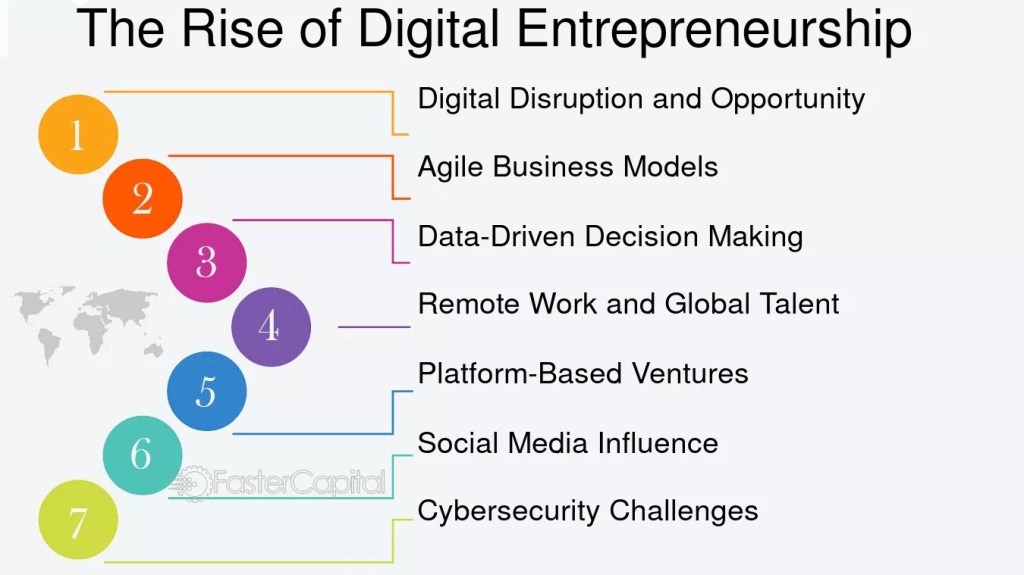
  • The Rise of Tech-First Entrepreneurship

    The Rise of Tech-First Entrepreneurship

    In the past, being “tech-savvy” was a nice-to-have. In 2025, it’s the difference between thriving and fading out. Whether you’re launching a clothing brand or a consulting firm, every founder today must think—and build—like a tech-first entrepreneur.

    Why? Because technology isn’t just changing how we do businessvit’s reshaping what business looks like altogether.

    What Is Tech-First Entrepreneurship?

    Tech-first entrepreneurship means leveraging technology as the foundation of your business strategy, not just a tool for support.

    Instead of asking “What product should I sell?” forward-thinking founders ask:

    • “How can I solve this problem with technology?”
    • “What can be automated, digitized, or scaled faster through tech?”
    • “How do I build a system, not just a service?”

    This mindset gives founders a digital edge and in 2025, that edge is everything.

    Why Every Founder Needs a Digital Edge

    Here’s why tech-first thinking is now non-negotiable:

    1. Customers Expect It

    Modern customers demand:

    • Instant support (chatbots, AI assistants)
    • Seamless experiences (mobile, web, app)
    • Personalization (smart recommendations, adaptive pricing)

    If you’re not meeting them where they are—fast, digital, mobile-first—you’re already behind.

    2. It Scales Faster and Smarter

    Traditional businesses scale linearly. Tech-first startups scale exponentially. Why?

    • Cloud-based tools
    • Automation platforms
    • AI-driven decision-making

    With the right stack, a 3-person team can operate like a 30-person company.

    3. It Attracts Investors and Talent

    Investors want scalable, tech-enabled models.
    Top talent wants to work with tools that don’t feel 10 years behind.
    Tech-first businesses signal serious growth potential.

    4. It Future-Proofs Your Startup

    The next disruption is always around the corner. Founders who understand tech can pivot, adapt, and thrive. Those who don’t? They get left behind.

    “If you’re not digitally fluent as a founder, you’re at risk of becoming irrelevant—even if your product is great.

    🧰 Core Tech Every Modern Founder Should Embrace

    CategoryTools & Platforms
    No-Code BuildersWebflow, Bubble, Softr
    AutomationZapier, Make, Pabbly
    AIChatGPT, Claude, Jasper, Perplexity
    AnalyticsGoogle Analytics 4, Mixpanel, Hotjar
    CRMHubSpot, Pipedrive, Zoho
    E-CommerceShopify, Stripe, WooCommerce
    Project ManagementNotion, Trello, ClickUp
    Marketing TechBrevo, Mailchimp, Buffer, Hootsuite

    You don’t have to master them all but knowing which ones matter is key.

    Mindset Shift: From Operator to Architect

    Tech-first entrepreneurs think differently:

    • They build systems, not just businesses.
    • They delegate to software, not just people.
    • They embrace data, automation, and digital-first design.

    Even a non-technical founder can become tech-first by understanding:

    • What’s possible
    • What’s scalable
    • What’s worth automating

    Real-World Example

    Old-School Approach:
    A local bakery hires more staff to take orders.

    Tech-First Approach:
    A digital bakery launches an app for pre-orders, uses Stripe for payments, Zapier for order tracking, and sends AI-written thank-you emails automatically.

    Same product. Different mindset. Very different growth curve.

    Final Thought: Be the Founder of the Future

    The next wave of breakout businesses won’t come from those who just “go digital” they’ll come from founders who start digital.

    If you want to scale faster, reach farther, and build smarter, it’s time to stop thinking like a traditional founder…

    …and start thinking like a tech-first entrepreneur.

  • The Automation Tools Every Startup Needs

    The Automation Tools Every Startup Needs

    Startups live and die by how fast they can move—and how lean they can stay. In 2025, the smartest founders aren’t working harder, they’re working automated.

    Whether you’re a team of ten or a solo founder wearing five hats, automation tools can give you back your time, reduce burnout, and accelerate growth without bloating your budget.

    Here’s a breakdown of the essential automation tools every startup should consider and how to use them to run smoother, smarter, and faster.

    Why Automation Is a Game-Changer for Startups

    Startups face constant pressure to:

    • Do more with less
    • Scale quickly without scaling costs
    • Deliver a polished customer experience
    • Make fast, data-driven decisions

    That’s where automation comes in. It eliminates repetitive tasks, cuts down on human error, and frees up time for what matters most: strategy, creativity, and growth.

    10 Automation Tools Every Startup Should Know

    1. Zapier – Automate Everything

    Best for: Connecting your favorite apps
    Create “Zaps” to automate actions between tools like Gmail, Slack, Google Sheets, Trello, and more.

    Example: Automatically send form responses to your CRM or Slack.

    2. HubSpot – CRM + Marketing Automation

    Best for: Managing leads and email marketing
    Automate email sequences, lead scoring, follow-ups, and track user behavior all in one place.

    Bonus: It’s free to start and scales as you grow.

    3. Notion + Notion AI – Internal Automation Hub

    Best for: Productivity and knowledge management
    Use AI to summarize meeting notes, auto-generate tasks, or even draft documents—then connect them to your systems.

    4. Tally or Typeform – Smart Forms and Workflows

    Best for: Surveys, onboarding, and lead generation
    Create forms that trigger automations—like sending a welcome email or tagging leads in your CRM.

    5. Make (formerly Integromat) – Advanced Automation

    Best for: Complex workflows with logic
    Unlike Zapier, Make allows for visual workflow building and more advanced conditional logic.

    6. Mailchimp or Brevo (formerly Sendinblue) – Email Campaigns

    Best for: Email automation and drip campaigns
    Nurture leads, welcome new users, and retarget inactive ones without lifting a finger.

    7. Calendly – Appointment Scheduling

    Best for: Booking calls or demos
    Automate scheduling, reminders, and follow-ups. No back-and-forth emails.

    8. Stripe + Paddle – Payment & Subscription Automation

    Best for: Monetizing SaaS or digital products
    Automate recurring payments, invoicing, and tax compliance with ease.

    9. Hootsuite or Buffer – Social Media Automation

    Best for: Content scheduling and analytics
    Plan a month’s worth of posts in an hour and let it run on autopilot.

    10. ChatGPT + Custom GPTs – Content & Customer Support

    Best for: Writing, brainstorming, or answering FAQs
    Create custom GPTs to automate knowledge-sharing or generate marketing copy at scale.

    Where to Start with Automation (Without Overwhelm)

    1. Identify your time sinks
      What tasks do you repeat daily or weekly? Start there.
    2. Automate one workflow at a time
      Small wins = fast momentum. Don’t try to automate everything at once.
    3. Pick no-code tools
      Avoid tools that need developers unless you’re ready to build in-house.
    4. Set it, but don’t forget it
      Check your automations monthly to avoid errors or outdated processes.

    Bonus: Areas Every Startup Should Automate

    AreaExamples
    MarketingEmail sequences, ad reporting, social media
    SalesLead capture, CRM updates, follow-ups
    OperationsInvoicing, scheduling, onboarding
    SupportFAQ bots, ticket routing, live chat
    FinancePayment processing, bookkeeping, expense tracking

    Final Thought: Automate to Accelerate

    In 2025, automation isn’t a luxury—it’s a necessity. The most agile startups are the ones who automate smart, scale lean, and focus on growth.

    Don’t think of automation as replacing people—think of it as removing the busywork, so you and your team can stay focused on building what really matters.

    Because when your startup runs like a machine, you’re free to move like a rocket.

Design a site like this with WordPress.com
Get started